
Engaging Maths for Reluctant Learners: Building Confidence Through Real World Projects
Engaging maths for reluctant learners can be one of the biggest challenges facing parents, homeschool families, and educators. When a young person has experienced repeated struggles with maths, another worksheet often isn’t the answer. What they need is a reason to care and a way to connect learning with everyday life.
Why Project-Based Learning Can Work
This is why I love hands-on, project-based learning. I use it in both mainstream and intervention classrooms. Often the biggest benefit isn’t the maths itself, it’s the relationships that are built along the way.
We complete the explicit instruction first, ensuring students have the skills they need. Then we move into small group project work. This creates opportunities for conversation, collaboration, and connection. It also allows me to sit alongside students, listen to their ideas, and chat naturally about topics that matter to them. We can still link those discussions back to the learning.
I’ve found that some of the most valuable teaching moments happen during these conversations. Students are often more willing to ask questions, share their thoughts, and engage with the content while working on a project instead of completing another worksheet.
Making Maths Meaningful
Our Zoo Design Project uses area, perimeter, and metric measurement skills, but its real goal is engagement. Instead of completing isolated questions, young people work towards creating something meaningful. They make decisions, solve problems, and see a purpose behind the maths they’re using.
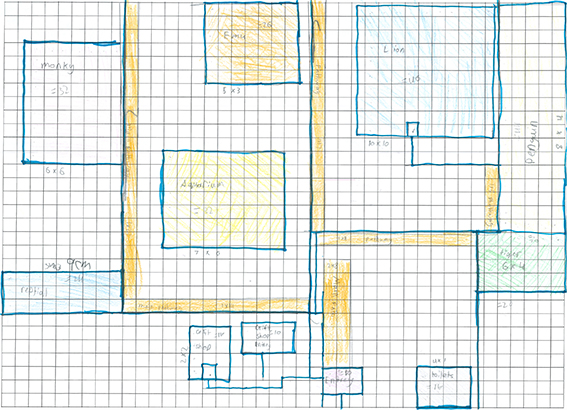
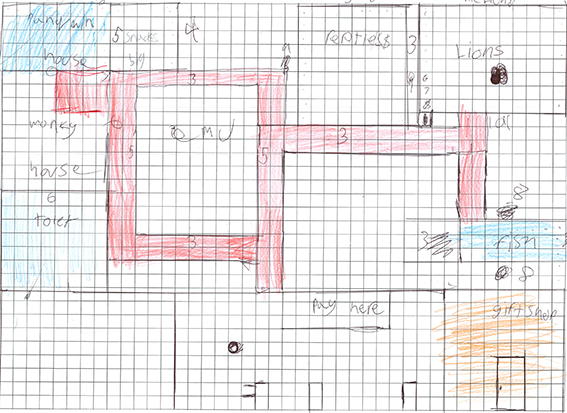
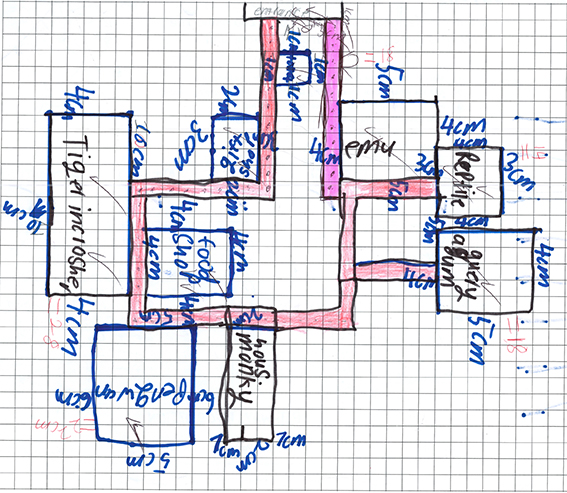
Along the way, these activities naturally create opportunities for conversations about real life. We might discuss how builders calculate materials, how landscapers measure spaces, or how someone might work out how much grass they need for a future backyard. Even reading instructions and finding key information becomes a valuable life skill.
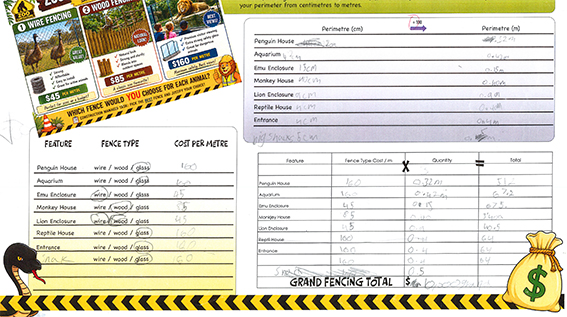
For many young people, success comes when learning feels relevant.
Building Confidence Through Success
From a wellbeing perspective, engagement matters. When a young person experiences success, feels capable, and can see the purpose behind a task, they are more likely to persevere, build confidence, and develop a more positive relationship with learning.
Sometimes the goal isn’t just teaching maths. Sometimes the goal is helping a young person reconnect with learning.
If you’re looking to provide engaging maths for reluctant learners with practical, hands-on activity that combines measurement skills with creativity and real-world application, the Zoo Design Project might be a great fit.
Try the Zoo Design Project
Interested in giving it a try?
You can find the Zoo Design Project here:

Leave a Reply